Young women lead climate change activism, but who sets the policies?
Margot Wallström, Former Minister for Foreign Affairs of Sweden, once said: “No woman needs to be given a voice. Everyone has a voice. What is needed is more listening.”
Thank you Tatler Asia Group and Kate Appleton for shedding light on this crucial topic, and allowing me to share my experience through engagement with grassroot climate activist and women communities.
As I spoke to Kate, COP26 could be seen as our society in microcosm, with embedded power structures and systemic hierarchies. The baseline is to create equal opportunities, but the approach should not be victimising or tokenising the marginalised communities.
At COP, we saw different constituencies represented, like Women and Gender, YOUNGO (Youth NGOs), and Indigenous Peoples Organizations. They gain seats at the negotiation tables as part of a box-ticking exercise, but their voices are not actively listened to.
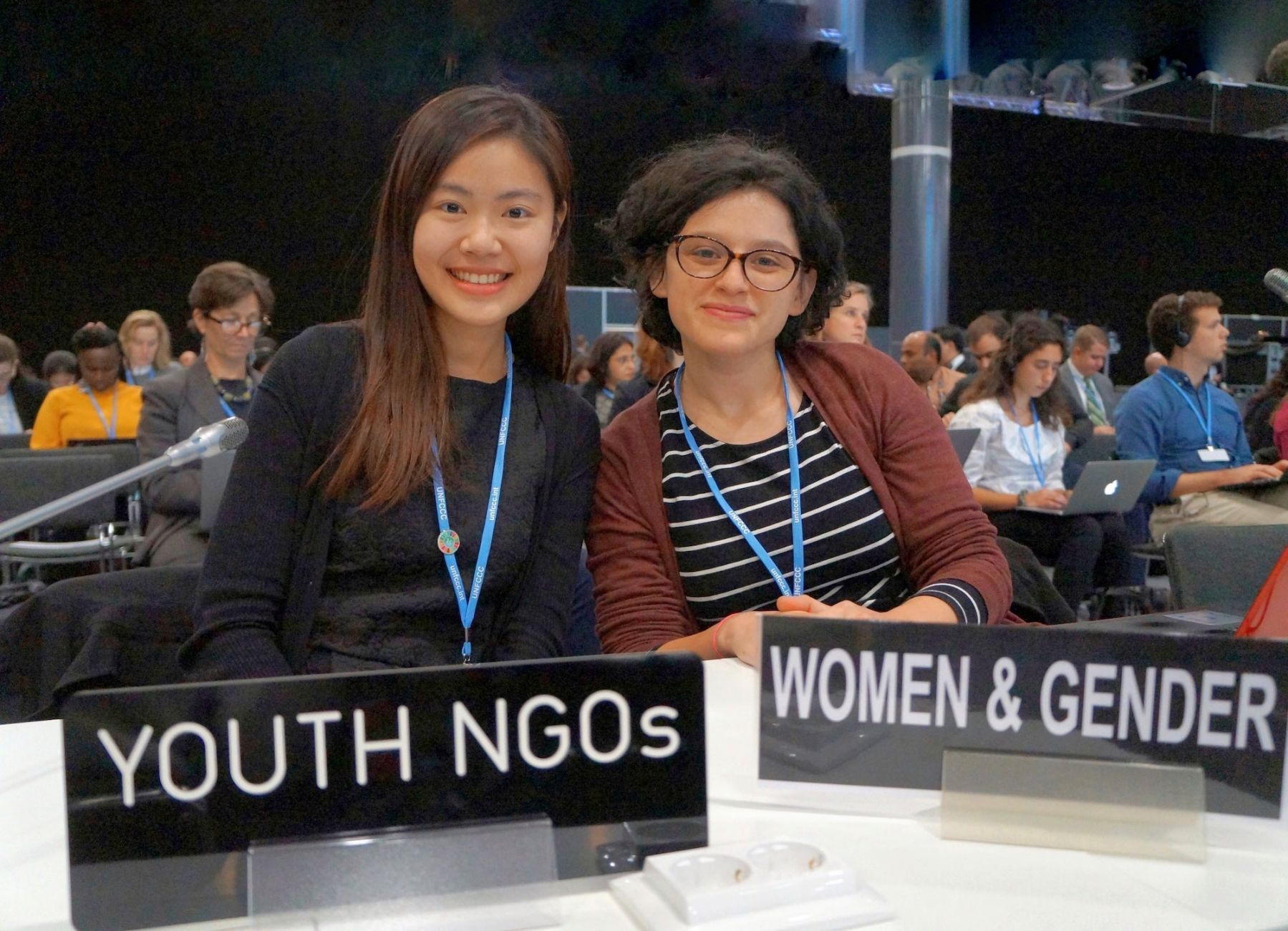
We need to think through how to create an inclusive environment to raise the voices of marginalised communities through engaging people outside of these communities. We need to educate male leaders and transform how they perceive women and their rights. As more privileged women in the developed world, we also bear the responsibility to amplify the voice of women from emerging markets through bridging their knowledge gaps.
Link to article: Young Women Lead Climate Change Activism, But Who Sets the Policies?
 Natalie Chung 鍾芯豫